Blackjack: Payouts and Probability (1:1, 3:2, Insurance) Explained

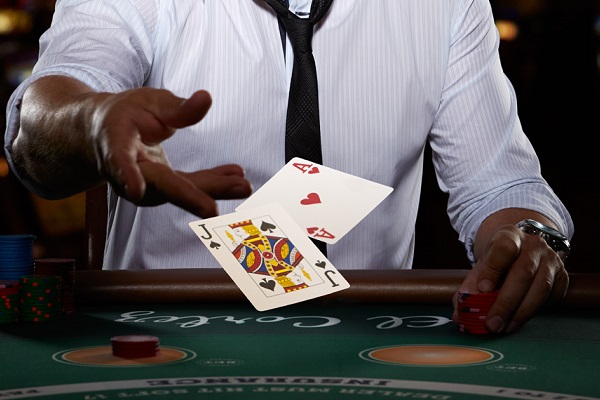
How blackjack pays: win 1:1, blackjack 3:2, insurance 2:1. Why 3:2 vs 6:5 changes everything, why insurance is a trap and how to drop below 0.5% house edge.
18+Legal NoticeGambling is only permitted for those aged 18 and over.Details
Blackjack is among the casino games with the lowest house edge — but only on two conditions: playing with basic strategy and sitting at a table with the right rules. Understanding payouts and probabilities is the first step. Here are the numbers that really count.
In one line: blackjack pays a normal win 1:1, a blackjack (21 with two cards) 3:2, insurance 2:1. With basic strategy the house edge drops below 0.5%: it is one of the most favourable games — but only if played well and with the right rules.
Blackjack Payouts
| Outcome | Pays | Notes |
|---|---|---|
| Normal win | 1:1 | The hand beats the dealer |
| Blackjack (21 with 2 cards) | 3:2 | Correct standard; avoid 6:5 tables |
| Insurance | 2:1 | Statistically unfavourable |
| Push (tie) | Stake returned | No win or loss |
Typical payouts; exact rules (3:2 vs 6:5, surrender, split) vary by table. Always check before sitting.
The Detail That Changes Everything: 3:2 vs 6:5
The blackjack payout rule is the single most important factor. A 3:2 table is the correct standard; a 6:5 one pays less for the same blackjack and raises the house edge by over 1%. Before playing, check this number: two "identical" tables can have very different value.
Why Insurance Is a Trap
Insurance looks prudent but pays 2:1 against a probability that does not justify it: long-term it loses. Basic strategy clearly advises against it. It is the classic example of a "reassuring" bet with negative expected value.
House Edge: Why Blackjack Is Different
Unlike slots and roulette, in blackjack your decisions matter: when to hit, stand, double, split. With optimal basic strategy and favourable rules, the house edge drops below 0.5% — among the lowest in the casino. But it is an "if": without strategy, the margin grows a lot.

How to Play It Better
- Look for 3:2 tables, avoid 6:5.
- Learn basic strategy: the only way to approach the minimum house edge.
- Decline insurance almost always.
- In live blackjack the same rules apply: check the table payouts.
Blackjack payouts and probability: FAQ
How much does blackjack pay?
A normal win pays 1:1 (bet 10, receive 20). A blackjack (21 on the first two cards) pays 3:2 under the best rules: bet 10, receive 25. Beware of tables paying 6:5, much worse.
What is the 3:2 vs 6:5 rule?
It indicates how much a blackjack pays. 3:2 is the correct standard; 6:5 pays less and raises the house edge by over 1%. It is the first thing to check at a table: it changes expected value a lot.
Is insurance worth it?
No, almost never. Insurance pays 2:1 but the probability the dealer has blackjack does not make it worthwhile long-term: statistically it is a losing bet. Basic strategy advises against it.
What is the house edge of blackjack?
With basic strategy and favourable rules it drops below 0.5%, among the lowest in the casino. But without strategy, or with unfavourable rules (6:5), it rises quickly.
Responsible Gambling
Online gambling should be a form of entertainment, not a source of income. If you feel gambling is becoming a problem, free support resources are available:
- ADM — Responsible Gambling
- GiocoHelpline freephone: 800 558822 (free, 24/7)
- Every ADM casino offers self-exclusion tools, deposit limits and reality-check reminders of time played.
Was this article helpful?
What could we improve?
Thanks for your feedback!